

Engineered for Industry: Why Quality Aluminium Plates Matter in Modern Manufacturing
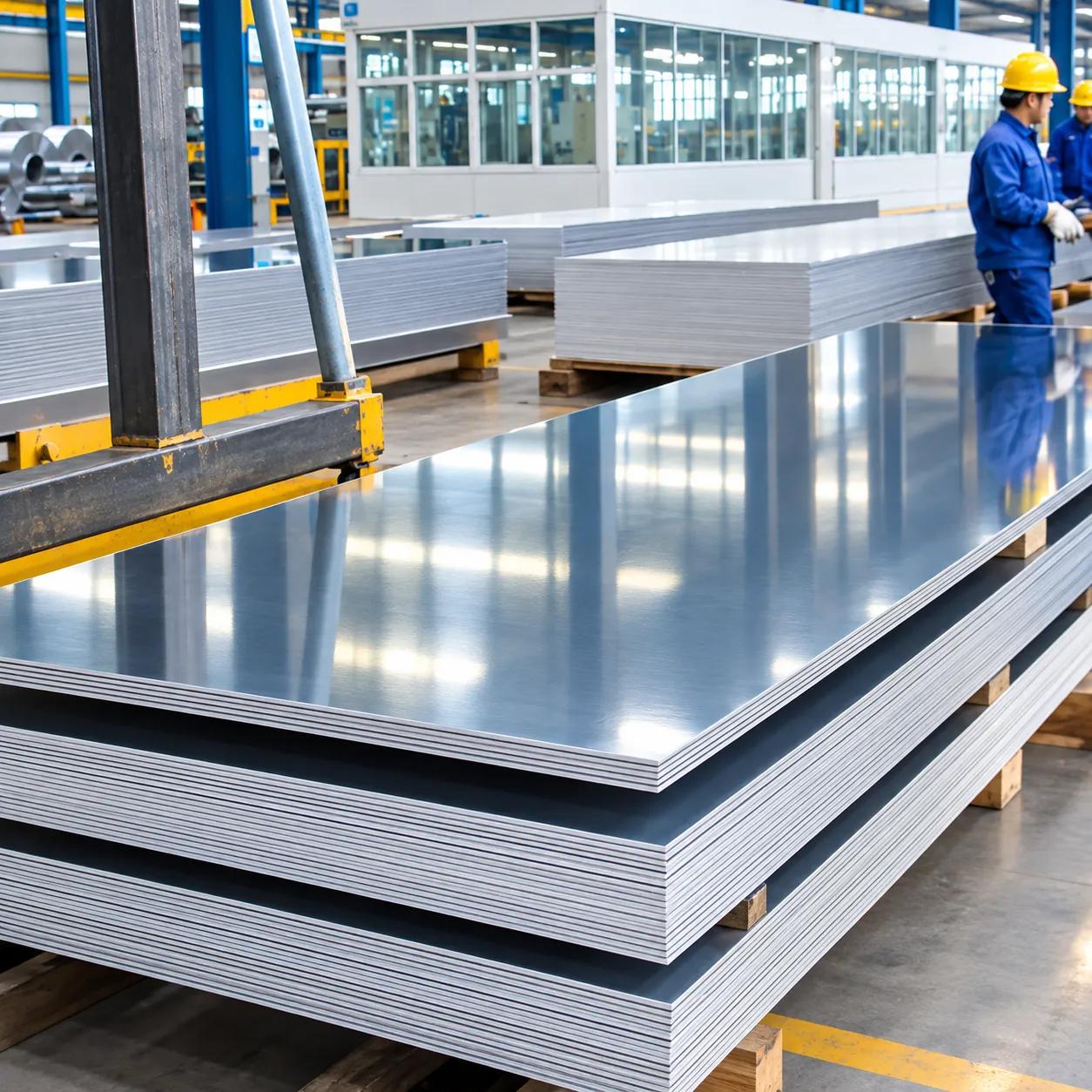
Today's manufacturing relies on materials which can provide consistent performance and efficiency, with durability and ease of manufacture. Whether it's heavy industrial machinery or a transportation system, from components of construction to engineered assemblies, the choice of material at the start of a project can make a difference to the quality and reliability of the finished work. Engineered for Industry: Why Quality Aluminium Plates Matter in Modern Manufacturing delves into the significance of aluminium plates Manufacturer in India and industrial buyers today. Aluminium plates have a desirable combination of relatively low weight, corrosion resistance, easy to machine and strength which depends on the alloy and tempers. These features allow them to be used in a variety of design applications where the designer would like a material that could be formed into an accurate component without the introduction of any unnecessary weight. But for procurement managers, engineers, construction experts and contractors, the decision to select an aluminium plate is no easy matter of selecting the cheapest option. When ordering, it is important to consider all of the above about the alloy grade, thickness, dimensions, surface condition, mechanical properties, tolerances and intended service environment.
Why Aluminium Plates Are Valuable in Modern Manufacturing
Aluminium is used in a large number of manufactured products due to its many desirable properties. Although it has a relatively low density, it can also be easy to handle and move and appropriate aluminium alloys can be used in many engineered applications to achieve the desired mechanical properties.
Some key advantages include:
Relatively low material weight
Good corrosion resistance
Useful strength-to-weight performance
Good machinability for suitable grades
Formability in appropriate alloy conditions
Thermal and electrical conductivity
Availability in multiple grades
Recyclability
Compatibility with different finishing processes
Performance of an aluminium plate is dependent of alloy and temper. Therefore, the choice of material should be made by the manufacturer depending on the technical specifications of the manufactured component, and not taking the fact that every aluminium sheet would behave the same.
Aluminium Plate Grades for Industrial Applications
There are various types of aluminium alloys created for various performance requirements. These differences should be known to manufacturers to prevent the choice of an inappropriate material for the application.
Aluminium 5052
Aluminium 5052 is known for its corrosion resistance and excellent forming ability. It may be used as a material for fabricated parts and products for which environmental exposure is a significant concern.
Aluminium 6061
Aluminium 6061 is a versatile engineering material that provides a good compromise of strength, machineability and corrosion resistance. It is often used in fabricated structures, in machinery parts, frames and in general engineering applications.
Aluminium 6082
The other structural alloy that is of great value for useful mechanical properties and machinability is aluminium 6082. Can be used for parts that need to have a balance of strength and fabrication.
Aluminium 7075
Aluminium 7075 is a high strength alloy that is suitable for use in high strength engineering applications. May consider when strength is a primary design criteria but be careful about being suitable for welding, forming and specific environments.
Depending on the loading conditions, the fabrication process, the exposure to environmental conditions and the intended service life, the appropriate grade is selected.
The Role of Plate Thickness and Dimensions
The selection of the appropriate aluminium plate is just one aspect of the procurement of aluminium plate. The thickness and size may also have a direct impact on manufacturing efficiency and performance of the final components.
For industrial projects, buyers should define:
Plate thickness
Length and width
Dimensional tolerances
Flatness requirements
Surface finish
Alloy and temper
Cutting requirements
Quantity
Packaging requirements
A plate that is to be machined might need to be thick enough, for instance, to remove material. The thickness of a fabricated component can vary depending on the forming, joining and operating loads.
Specifications can be clear to facilitate providing the right material to the manufacturer and may help minimise rework during production.
Quality Control in Aluminium Plate Manufacturing
When making components for challenging industries like the automotive industry, aluminium plates are especially vital in terms of quality. While a plate might appear to be satisfactory in appearance, its chemical composition, mechanical properties, dimensions and surface condition may need to be examined.
Depending on the specification, quality checks may include:
Chemical composition analysis
Thickness measurement
Dimensional inspection
Tensile testing
Hardness testing
Surface inspection
Flatness verification
Material traceability
Certificate verification
Buyers might need to check the reports and material test certificates for critical applications before accepting the shipment.
With this, it is better to work with the skilled aluminium plate manufacturers in India, who can set the proper quality standards and documentation requirements before the production or dispatch of the aluminium plates.
Aluminium Plates in Heavy Manufacturing
In heavy manufacturing, materials may be needed to be strong enough to withstand the rigorous conditions of fabrication and operation. Aluminium plates can be applied in equipment, machinery, transportation, industrial enclosures and fabricated structures that require their specific attributes.
Potential applications include:
Machinery components
Industrial equipment
Transportation structures
Storage systems
Machine bases and supports
Equipment enclosures
Fabricated panels
Engineering assemblies
Depending on the mechanical and environmental needs of the application, it can be suitable for use in aluminium. Before choosing an alloy for a critical load bearing application engineers should ensure that the properties of that alloy are correct.
Aluminium Plates for Construction and Infrastructure
In the construction industry, aluminium plates offer practical benefits in various applications.Aluminium plates also have practical applications in the construction industry. Aluminium can be considered by the architects and contractors in situations where the weight, corrosion resistance, appearance, and flexibility in fabrication are significant considerations.
Applications can include:
Architectural panels
Building components
Roofing-related systems
Exterior features
Industrial structures
Platforms and access components
Specialized fabricated assemblies
The plate specification should be matched with the structural design, environmental exposure, design of joints and applicable building codes for construction projects.
Machining and Fabrication Advantages
Often aluminium plates are chosen because they can be manufactured in a variety of ways. They can be cut, drilled, milled, formed and fabricated depending on the alloy and temper.
This can give manufacturers some leeway during the production.
The production teams should take the following factors into consideration before selecting an aluminium plate:
CNC machining requirements
Cutting method
Bending or forming
Welding requirements
Required surface finish
Dimensional tolerance
Final component geometry
By selecting a suitable alloy for the tried and tested production method, it is possible to optimise production and minimise unnecessary material issues.
Why Working With Reliable Aluminium Plate Manufacturers Matters
An important part of keeping consistency throughout a manufacturing project is left to the supplier. A skilled aluminium plate manufacturer in India should be able to give you information regarding the grades, sizes, manufacturing conditions, quality checks, documentation etc.
Industrial buyers should evaluate:
Available alloy grades
Manufacturing capability
Plate size range
Thickness availability
Custom cutting options
Quality-control procedures
Testing facilities
Material certifications
Packaging methods
Delivery capability
In the case of large volume projects, it might be as crucial as the material specification itself. Production delays or batch variation may cause production schedules to be thrown off and project expenses to rise.
Aluminium Plates and Long-Term Value
Cost of material should not be considered as the only factor. A proper match of the application to the plate enables reliable manufacturing, and prevents problems with premature replacement, over-machining or inappropriate material performance.
Aluminium has another lifecyle advantage – its corrosion resistance and ability to be recycled. It can offer long term service when used at the proper grade in an appropriate environment and be suitable for recycling at the end of its useful life.
Therefore, lifecycle value is a key factor for manufacturers who are concerned with efficiency, in addition to material cost.
How to Select the Right Aluminium Plate
When ordering a large plate of aluminium, the procurement and engineering departments need to check out the entire requirement.
A practical checklist includes:
Identify the application.
Select the appropriate alloy and temper.
Determine required thickness.
Confirm length and width.
Specify tolerances and flatness.
Define surface-finish requirements.
Confirm fabrication and machining processes.
Establish testing and certification requirements.
Discuss packaging and transportation.
Confirm production and delivery schedules.
This is a systematic approach that can assist businesses in eliminating material mismatches and ensuring a more predictable procurement process.
Conclusion
Aluminium plates are widely used in current manufacturing due to their practical property to have a low weight, be corrosion resistant, easily machined and possess alloys with different strength. They can be used in a variety of different applications, including industrial equipment and machinery, construction materials, and transportation systems. The key point to remember is that aluminium plate selection should always be done depending on the actual application.
Frequently Asked Questions
1. How do I choose the right aluminium plate grade for industrial manufacturing?
Consider the required strength, corrosion resistance, machinability, formability, welding requirements, operating environment, and final manufacturing process. The alloy and temper should be selected according to the specific application rather than simply choosing the strongest available grade.
2. What quality checks should I request when purchasing aluminium plates?
Depending on the application, buyers may request chemical composition verification, dimensional inspection, tensile and hardness testing, surface inspection, flatness checks, and material test certificates.
3. Can aluminium plate manufacturers in India provide customized sizes?
Many experienced manufacturers can support customized thicknesses, lengths, widths, cutting requirements, and other specifications depending on their production capabilities and order requirements.