

How to Choose a Titanium Round Bar Manufacturer in India: 7 Things to Check Before You Buy
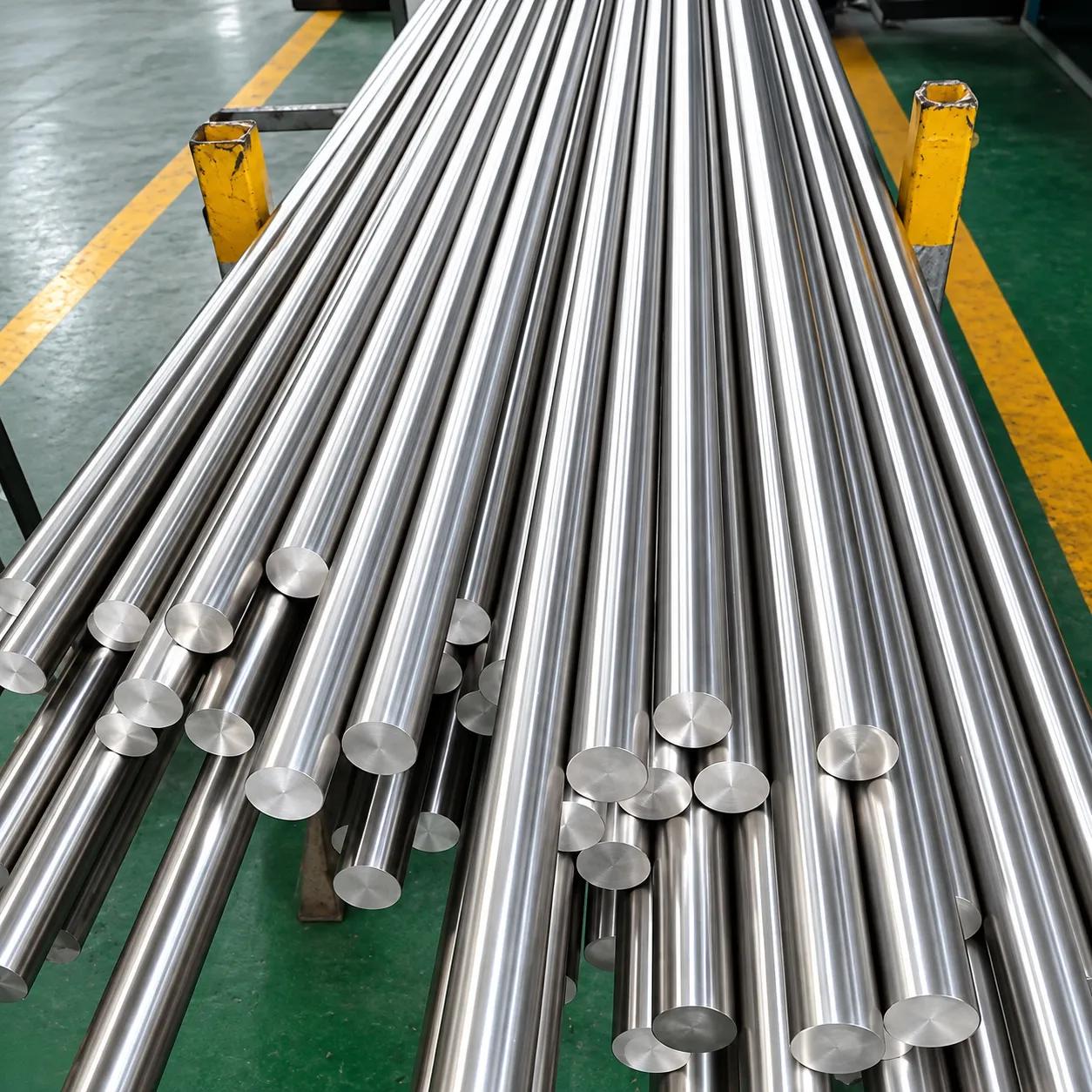
A company, an engineering company or an industrial manufacturer, they have to make an important choice when it comes to picking a material supplier. The durability, performance, maintenance needs and cost of a project can be affected by the quality of the materials used. Titanium round bars are highly sought after in various sectors due to their superior corrosion resistance, lightweight design, and ability to withstand harsh operating conditions. But these advantages are only available if you choose the correct grade and get a good manufacturer. Buyers must not focus only on the price for a Titanium Round Bar Manufacturer in India; they must also consider the quality of the material, capabilities of the manufacturing process, quality documentation and the reliability of the delivery. From large construction projects to industrial equipment, specifying materials and ordering metal components for engineering applications, there is a certain amount of research to be done before making a purchase.
1. Check the Quality and Grade of Titanium Round Bars
The first step is to know which grade of titanium is best for your application. The various grades provide a combination of strength, corrosion resistance, formability and fabricability.
A reliable manufacturer will be able to advise you on a material grade that is appropriate for your technical specifications, not that they may be making only one type of grade.
Common titanium grades include:
Grade 2: Commercially pure titanium commonly selected for corrosion resistance and fabrication requirements.
Grade 5 (Ti-6Al-4V): A titanium alloy known for its high strength-to-weight ratio and use in demanding engineering applications.
Other specified grades: Certain projects may require particular grades based on design specifications, operating conditions, or applicable standards.
To ensure compliance with all requirements, check the grade, diameter, length, tolerances and mechanical properties before ordering. These details can be used to make sure that the material is appropriate for the application.
2. Evaluate Manufacturing Capabilities and Production Standards
The capacity of a manufacturer may impact consistency and availability of the products required. Specific dimensions, repeat orders, or materials that are made to exact specifications may be required by large construction contractors, equipment manufacturers or engineering companies.
When choosing a titanium round bar manufacturer, find out how they make the bar, from where they get their materials, how they check the bar and how they can fulfil your order.
Consider the following points:
Availability and availability of required grades and dimensions of titanium.
Capacity to provide normal and particular dimensioned products.
Uniform diameter, length and surface.
Methods of grade separation and identification of various grades of materials.
Ability to process large and repeat sales.
Having a manufacturer with an appropriate system for producing and controlling the materials can assist in minimising inconsistencies in the material and help to ensure a more predictable procurement process.
3. Verify Quality Certifications and Material Test Reports
It is important that documentation be used when buying metals to be used in industrial and engineering projects. It aids in buyers verifying the material supplied is the correct material and technical specification as stated on the purchase order.
Verify with the supplier before buying the quality certifications and material records for the product you want to purchase. Reliant on application and contract, the following documents are relevant:
Material Test Certificate (MTC) or mill test report.
Chemical composition analysis.
Mechanical property test results, where specified.
Dimensional inspection records.
Applicable quality management certifications and compliance documents.
Ensure documents are for the correct batch/heat number provided. If your project is to use a specific ASTM, ASME or other material specification, ensure that the grade of material and documentation provided is exactly what is required.
Not all delivered bars are suitable and it is not the certification that ensures this. The buyers are also encouraged to check the test records and inspection requirements specific to the product.
4. Compare Prices Without Compromising Material Quality
The price is another important factor, particularly, for firms that buy large quantities of titanium round bars. But opting for the cheapest quote without considering the technicalities, however, can end up costing you extra money in the end.
There are several reasons why two quotations may vary, such as different grades of titanium, different dimensions, different manufacturing routes, order quantities, inspection requirements, package and delivery terms.
Make sure to compare offers on the same specs when looking at offers.
Your price comparison checklist:
Confirm that each quotation covers the same titanium grade.
Compare diameter, length, tolerance, and surface finish.
Check whether testing and documentation are included.
Review packaging, freight, taxes, and other applicable charges.
Ask about minimum order quantities and lead times.
Understand the payment terms and quotation validity.
The competitive quotation should include details of the product to be supplied and "commercial terms" should be clear. The aim is to realize value throughout the purchasing process, not just the price of the purchase.
5. Assess Product Applications and Technical Support
A reliable manufacturer should be aware that there are differences in material requirement among the various industries. Titanium round bars can be used in the production of parts of various industrial equipment, corrosion resistant parts, engineering specialties and manufactured parts.
The suitability of titanium will vary from project to project, application to application and design to design in construction and infrastructure environments and project standards. Do not assume that it is the optimum material for all the components of a structure.
When ordering, make sure to let the manufacturer know how the bars will be used to ensure they are available in appropriate specifications.
Important questions include:
Is the proposed grade suitable for the operating environment?
Can the material meet the required strength and corrosion-resistance criteria?
Are the requested dimensions available?
Are machining, welding, or other fabrication requirements relevant?
Does the project require third-party inspection or additional testing?
Avoiding material selection mistakes and the chance of ordering a product that is unsuitable can be achieved by having technical discussions prior to purchase.
6. Review Delivery Reliability and Bulk Order Capacity
In the case of large construction, engineering and manufacturing projects, material delays can impact project milestones and timelines. Therefore, timely and accurate delivery of materials becomes an important consideration in the purchasing process and a supplier's ability to do so.
When selecting a titanium round bar supplier in India, make sure you obtain a sensible shipping time frame based on the amount, size and grade you need. Avoid ordering based on a general word of promise of quick delivery.
Consider checking:
Current stock availability and production lead times.
Ability to manage bulk and repeat orders.
Packaging methods that protect the bars during handling and transportation.
Dispatch schedules and shipment tracking arrangements.
Communication procedures if a delay occurs.
If the quantity of orders is considerable, you may consider negotiating the delivery milestones, inspection arrangements even before ordering. Buyer and manufacturer work together by communicating to plan better.
7. Check the Manufacturer's Reputation and Customer Service
Reputation is a great indicator of the manufacturer's practices, consistency and customer support capabilities in the long run. But purchasers need to consider evidence more than just the promotional claims.
Check out the company's product information, company history, technical responsiveness, and references of customers. Do not sign large orders without asking questions about specifications, documentation, payments and/or delivery.
A professional manufacturer should be able to provide information on products and address any product restrictions or compliance questions.
Look for a supplier that offers:
Clear and consistent communication.
Accurate quotations and product descriptions.
Written confirmation of material specifications.
Responsive assistance with documentation and order queries.
Practical support for repeat purchases and long-term requirements.
It can make subsequent procurement easier if your business is dealing with a reliable supplier, as they can help ensure that the necessary materials have the correct specifications for your business on future projects.
Why Choose an Experienced Titanium Round Bar Manufacturer in India?
India's metal manufacturing industry is large and well established with industrial buyers having multiple options to source their metals. This will vary depending on what the supplier can offer, the product line they have, the quality control they have and their ability to follow your specifications.
A knowledgeable manufacturer or qualified supplier can be the guide to helping the buyer clarify the requirements for grades, determine the right size options, create inspection documentation and arrange delivery. These are all worth as much as the quoted price to domestic and international procurement teams.
When ordering, have a detailed purchase specification ready that defines the grade, diameter, length, quantity, applicable standards, inspection requirements and delivery location. Providing these to shortlisted manufacturers will make quotations easier to compare and help to avoid miscommunication.
Conclusion
When buying a titanium round bar manufacturer, there is more to it than simply looking for the lowest price. Titanium buyers should consider the company's reputation, delivery reliability, technical support, quality documentation, manufacturing capabilities and titanium grades. The seven checks below can assist construction heads, architects, contractors and those who are involved in industrial procurement to make informed choices when purchasing. Specifying before ordering and collaborating with a manufacturer that clearly communicates will benefit business in having more efficient procurement planning and lower risk of material related issues. The ideal supplier is a company that is able to consistently deliver what you need technically and commercially.
Frequently Asked Questions
1. How do I choose the best titanium round bar manufacturer in India?
Compare manufacturers based on titanium grade availability, dimensional accuracy, quality-control procedures, material test reports, pricing transparency, production capacity, and delivery performance. Always verify that the offered material meets your project's specifications.
2. Which titanium grade is suitable for industrial round bar applications?
Grade 2 is commonly considered for applications requiring corrosion resistance and good formability, while Grade 5 (Ti-6Al-4V) is often selected where higher strength is required. The correct grade depends on the operating environment, design, fabrication process, and applicable standards.
3. What documents should I request when buying titanium round bars in bulk?
Depending on your purchase specification, request a Material Test Certificate or mill test report, chemical composition results, relevant mechanical test results, dimensional inspection records, and applicable compliance documents. Confirm that the records are traceable to the supplied material batch.