

The Growing Role of Aluminium Plates in India’s Manufacturing and Infrastructure Sectors
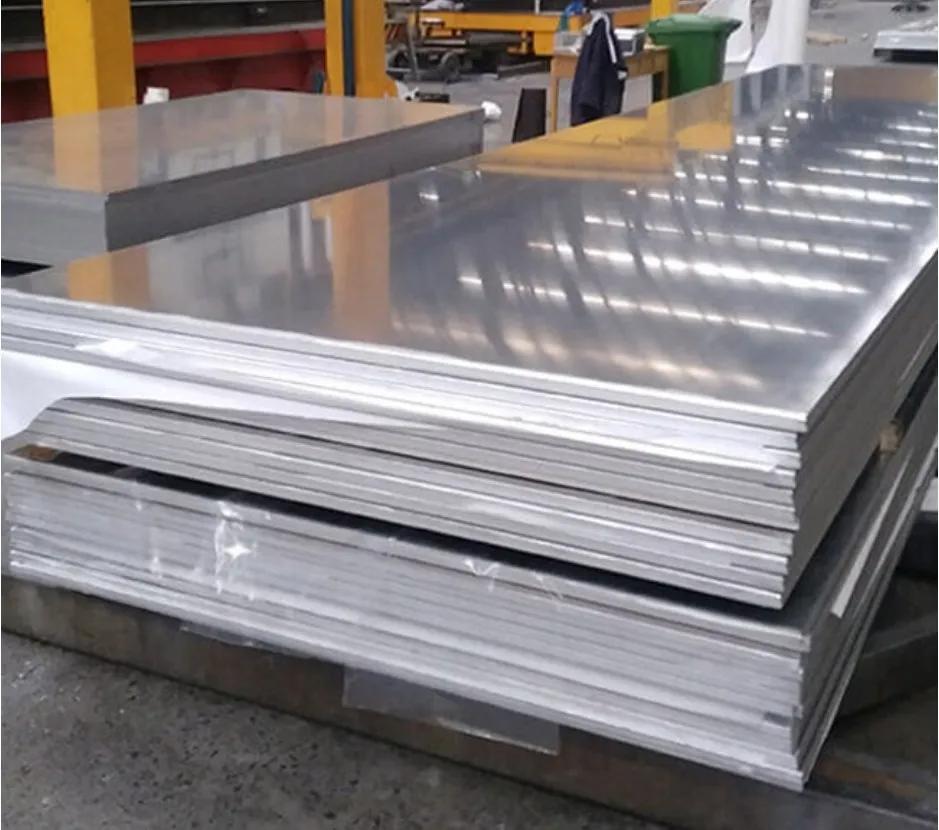

Whether you walk along any industrial area in Pune, Chennai or Gujarat, you will see something. Aluminium is used to make a lot of the items being constructed, fitted and delivered. You can't find it in the thin foil in your kitchen drawer. It's thick and strong precisely cut plate, that holds up everything silently from railway coaches to solar structures.
Aluminium plate used to be regarded as a special material some time ago. Now it's a standard line item on orders going all across the nation. Here’s what is driving them to make the change.
Why Aluminium Plates Are Catching On
The first one is weight. Aluminium is about 1/3 the weight of steel and thus a plate can perform the same function, and be considerably lighter in the final product. Lighter products = lighter fuel consumption, handle and transport more easily, transport at lower cost.
The second one is corrosion resistance. Surface of aluminium coated with a thin layer of oxide, that protects it from rust and weathering. This is an important consideration in a country with long seashores, intense monsoons and dusty industrial areas.
Then there’s workability. Aluminium plates can be cut, milled, welded and machined easily, therefore, reducing the time in the shop. They also have good heat and electrical insulation properties, and can be completely recycled. But that last is not something that has been easy to overlook as companies consider their sustainability statistics.
Powering the Manufacturing Floor
Demand for aluminium plate is rising the quickest in manufacturing.
Automotive and EVs. Not only do carmakers prefer lighter cars, electric vehicle makers are even more strident on the subject since each kilo has an impact on the car's range of performance. In batteries, chassis, brackets and structural reinforcement, aluminium plates can be found in battery enclosures.
Machinery and tooling. Aluminium tooling plate is a popular choice for jigs, fixtures and moulds and machine bases, as it is precision ground. Easily machined, stable and flat, it helps to keep production on track.
Electronics and power. Aluminium's thermal and electrical qualities are important components of heat sinks, switchgear parts, busbars and enclosures. This is a growing part of a segment of India's electronics manufacturing industry.
Aerospace and defence. In aircraft parts, ground equipment and defence vehicles, strength-to-weight ratio is a must and the use of high strength alloys is essential for the successful use of these vehicles.
Building the Country’s Infrastructure
The other major news item is infrastructure. Materials that are strong, light and low-maintenance are required in all types of metro rail projects, new railway coaches, airports, highways, and renewable energy plants.
Aluminium plate is used in the construction of Coach Bodies, Floor and Interior Panels in Railways & Metro Cars. It is used in bridges and walkways with minimal maintenance, and long service life. It is also employed in the architecture by the architects as a cladding material as well as for the facades due to its clean and un-corrosive appearance. It's an excellent material for a solar project which will be exposed to the elements for many years. Marine plates are essential for ports and shipyards, as they need to withstand the corrosion caused by saltwater.
This is being enhanced by initiatives by the government such as Make in India, Gati Shakti and smart cities. The more projects the more it is needed to be reliable, and the demand increases.
Picking the Right Alloy
Not all aluminium plates are the same and picking the wrong one could prove to be costly. Some frequently asked questions:
5083 is the favourite alloy for marine and shipbuilding alloys, it has the best resistance to seawater.
Structural and general engineering – 6061 is the jack of all trades. High strength, weldable and easy to machine.
7075 is used for high stress components, like aerospace and defence components.
The softer and formable 1100 and 3003 are used for chemical equipment, general fabrication.
Thickness, temper and surface finish also are important. It's best to be sure to explain your application clearly to your supplier. A reputable Aluminium Plate Manufacturer in India will ensure that you have the right alloy for the job being done rather than just sell you any available alloy.