

Why Bangalore’s Manufacturing and Engineering Sector Prefers Aluminium Sheets
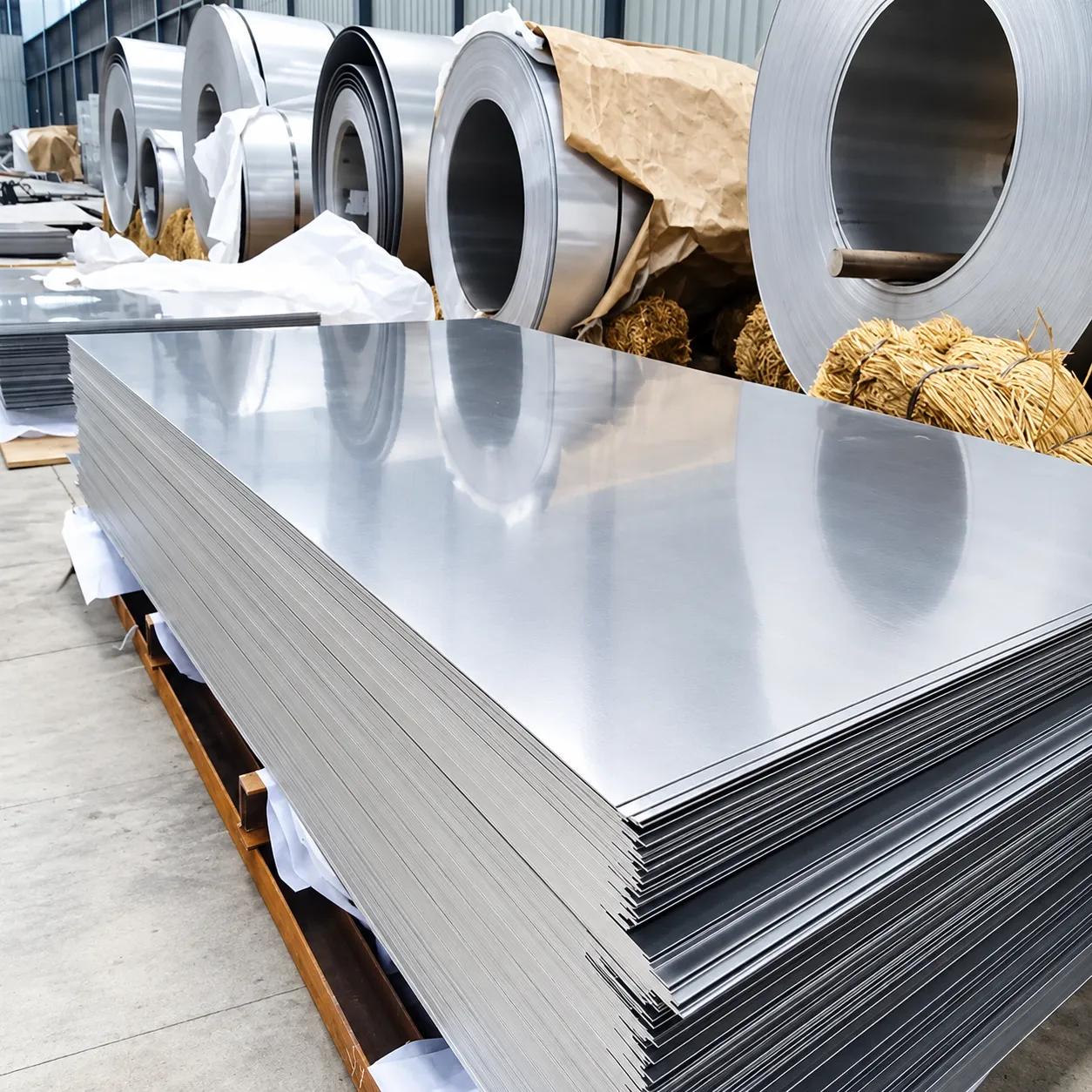
Now a days, Bangalore has become a major manufacturing city for industries e.g. engineering, electronics, aerospace, automotive parts and infrastructure development. These industries continue to grow, and manufacturers seek materials that offer good qualities such as strength, weight, toughness and ease of manufacture. Lightweight and resistant to corrosion aluminium sheets manufacturers in bangalore are preferred materials if one knows the proper alloy as aluminium sheets are easily cut, bent and formed. It is important for suppliers, production managers, architects, contractors and procurement professionals in Bangalore to know what advantages aluminium sheets bring with them. There are numerous industrial applications of aluminium sheets e.g. machine housings, electrical boards, vehicle parts and the like. It is important to know advantages of the different grades of aluminium sheets so that one could choose the proper grade, cut costs of the material and maximise production efficiency.
1. Lightweight Material for Modern Engineering Applications
The main reason for manufacturers to opt for aluminium sheets is their low density. Aluminium is much lighter than steel, which may be a drawback if weight reduction is a key component of the design of equipment, fabricated components or structures.
For any engineering/manufacturing company in Bangalore, lightweight materials can make handling, transportation and installation easy. Aluminium can also be useful for design flexibility in applications where the weight of a component has an impact on the performance of the finished product.
Common applications include:
Machine covers and protective enclosures.
Automotive body and interior components.
Electrical cabinets and equipment panels.
Industrial housings and fabricated assemblies.
Selected architectural and building components.
Conditions of operation, operational strength and rigidity must always be considered when selecting the right aluminium alloy. Light weight is important but the material should also comply with the technical requirements of the project.
2. Corrosion Resistance for Long-Term Performance
The surface of aluminium forms a thin layer of oxide, which protects it from corrosion in many environments. Aluminium sheets have a number of uses in the interior and exterior due to this property.
Aluminium sheets can be used for equipment covers, building facades, cladding systems and other parts that are in contact with moisture or subject to changing environmental conditions by manufacturers and construction companies.
But the corrosion performance is dependent on the type of alloy, surface condition, ambient condition, and contact between other materials. There are other industrial chemicals, coastal environments, and dissimilar metals that may need extra protection or the careful selection of material.
The buyer should seek the advice of their supplier regarding the use of the product before selecting a grade or surface treatment, as this can affect the final product. By proper design, finishing and maintenance, the use-life of aluminium parts can be extended.
3. Easy Fabrication and Manufacturing Flexibility
In the manufacturing sector, there are instances when materials need to be capable of being modified for various design and manufacturing processes. Depending on the alloy, thickness, and the method of fabrication, aluminium sheets can be cut, bent, punched and machined.
This is especially convenient for engineering firms that create custom parts or have intricate product plans.
For example, aluminium sheets can be used to manufacture:
Electrical control panels and enclosures.
Machine guards and equipment covers.
Fabricated brackets and housings.
Ventilation and HVAC components.
Custom industrial panels and assemblies.
Sometimes alloys are chosen for their forming properties and sometimes for their strength and/or their ability to be machined. Choosing the right grade minimizes the fabrication challenges and waste of material.
Other factors that manufacturers should take into account before starting manufacturing include sheet thickness, bend radius, any tools involved, and finishing requirements.
4. Aluminium Sheets for Bangalore’s Automotive and Aerospace Industries
Bangalore is well represented in the manufacturing sector, particularly automotive components and in aerospace manufacturing. These industries might be influenced by the choice of material in terms of weight, durability, production process, and performance.
Aluminium sheets are typically used for selected parts of a vehicle, interior panels, equipment housings and certain parts for the aerospace industry where the appropriate alloy is required for the specific design and certification.
They have very high strength to weight ratio in appropriate alloys and therefore can be used for weight sensitive design. Aluminium has also good thermal conductivity properties for some heat-management applications.
However, not all aluminium sheets are appropriate for use with critical components in vehicles or aircraft. Special alloys, production methods, traceability and testing are required in these applications.
Industrial buyers should verify that the material supplied is compliant with the related technical specifications and industry requirements in the application.
5. Cost Efficiency and Better Material Utilization
Production managers and procurement teams should take into account material cost. The light weight, corrosion resistance, and versatility of fabrication of aluminium sheets can assist businesses in managing manufacturing costs.
The value of a sheet is more than just what it costs! Reducing efficiency, generating scrap, the amount of processing time needed, the number of finishing operations, transportation expenses and anticipated service life can all affect the total cost of a completed part.
Businesses can improve material utilization by:
Planning sheet layouts before cutting.
Selecting suitable standard dimensions.
Matching the alloy to the intended application.
Ordering the correct thickness to avoid unnecessary material use.
Reviewing fabrication methods to minimize scrap.
Comparing complete supplier quotations rather than price alone.
If it has to be processed further, or is not up to the performance standards, a lower cost sheet may not be the most economical. With a well thought-out purchasing strategy, businesses can balance quality and cost.
6. Useful Thermal and Electrical Properties
Aluminium conducts heat and electricity effectively, making it useful in various industrial and electrical applications. Depending on the design, aluminium sheets may be used for heat-dissipating panels, electrical enclosures, electronic equipment housings, and selected thermal-management components.
Aluminium is a good conductor of heat and electricity, and is used in a wide range of industrial and electrical applications. The aluminium sheets can be used for various heat-dissipating panels, electrical enclosures, electronic equipment housings and certain thermal-management components depending on the design.
Likewise, the thermal performance will be determined by the alloy, thickness, component shape, and thermal conditions.
When choosing aluminium sheets for special equipment, manufacturers need to consider these properties, in addition to strength and corrosion resistance, and feasibility of fabrication.
7. Applications in Construction and Modern Infrastructure
The construction of commercial buildings, industrial plants, offices and infrastructure projects in Bangalore generates a demand for materials which are both functional and versatile.
Aluminium sheets are used in a range of building-related applications, including:
Architectural cladding and façade elements.
Ceiling panels and decorative features.
Door and window-related components.
Roofing and flashing applications where specified.
Interior panels and protective coverings.
They are easy to move and install in appropriate applications due to their relatively low weight, and can be treated on the surface to obtain various architectural effects.
Construction heads, architects, and contractors need to take into account more than appearance when choosing a product. The intended use will need to be assessed with respect to all the following: Alloy, thickness, support arrangements, weather exposure, fire performance requirements, and applicable building standards.
Aluminium sheets should be used as part of a total building design and not as an interchangeable product for a myriad of construction needs.
8. How to Choose a Reliable Aluminium Sheet Supplier in Bangalore
The performance of an aluminium component is partly dependent on the material supplied conforming to the purchase specification. The decision of choosing a reliable supplier allows procurement teams to mitigate the chances of receiving unacceptable grades, dimensions or full documentation.
When comparing aluminium sheet suppliers in Bangalore, consider the following points:
Grade availability: Confirm that the supplier can provide the alloy required for your application.
Dimensional accuracy: Check the available thicknesses, widths, lengths, and tolerances.
Quality documentation: Request relevant material test certificates and inspection records where required.
Order capacity: Confirm the ability to handle your quantity and future repeat orders.
Delivery arrangements: Review stock availability, lead times, packaging, and transportation.
Commercial transparency: Compare prices, taxes, freight, and other applicable charges.
Provide a detailed enquiry with your intended application, grade, dimensions, quantity, and required delivery date. This makes quotations easier to compare and helps the supplier understand your actual requirements.
Conclusion
Aluminium sheets have many applications in manufacturing and engineering due to their light weight and corrosion resistance, ease of fabrication and beneficial thermal and electrical properties. They are appropriate for specific automotive, aerospace, electrical, industrial and construction applications.
Frequently Asked Questions
1. Why are aluminium sheets preferred by manufacturing companies in Bangalore?
Aluminium sheets are valued for their low weight, corrosion resistance, fabrication flexibility, and useful thermal conductivity. They can be used in equipment enclosures, electrical panels, automotive components, and various industrial products when the correct alloy and thickness are selected.
2. How can I choose the right aluminium sheet supplier in Bangalore for industrial use?
Compare suppliers based on grade availability, dimensions, quality documentation, production or stock capacity, delivery schedules, and transparent pricing. Share your technical specifications before requesting quotations to ensure that each supplier is quoting for the same product.
3. Which aluminium sheet grade is best for engineering and construction applications?
The best grade depends on the application. Some commercially pure grades offer good formability and corrosion resistance, while alloys such as 5052 are often considered for sheet-metal fabrication and corrosion-resistant applications. Other alloys may be more appropriate where strength or specific manufacturing properties are required. Always confirm suitability against the project specifications.